In most housing conversations, young people are the least likely to be in the room — yet the most likely to live with the long-term impact of the decisions made there. Whether it’s the design of neighbourhoods, the way services are delivered, or the priorities shaping community investment, younger residents often see housing through a very different lens.
Their experiences, hopes and frustrations are a vital part of the story — but too often, they remain unheard.
The Missing Voices
When housing providers talk about engagement, they tend to think of tenant panels, surveys, and meetings. But many younger residents aren’t reached through these traditional routes. They’re busy studying, working, raising families, or moving frequently through short-term tenancies. Some live in shared ownership or supported accommodation, others with parents or in private rent, meaning they don’t always see themselves as “residents” in the same way.
Yet these younger voices bring energy, creativity, and digital fluency that can transform how we think about housing. They understand the pressures of affordability, the realities of mental health, and the barriers of getting on the housing ladder in ways older generations often can’t.
If we want our housing future to be sustainable, inclusive, and community-minded, we can’t afford for them to remain silent observers.
Barriers to Being Heard
Younger people’s disengagement rarely stems from apathy. It’s more about access and relevance.
Language used in letters, reports and policy consultations can feel formal or disconnected from their everyday lives. Engagement events are often scheduled during work or study hours, and online opportunities sometimes assume levels of confidence or time that not everyone has.
There’s also an underlying cultural gap: young residents don’t always see themselves reflected in the faces or language of decision-making spaces. Without clear evidence that their input changes anything, participation can feel performative rather than purposeful.
New Approaches for a New Generation
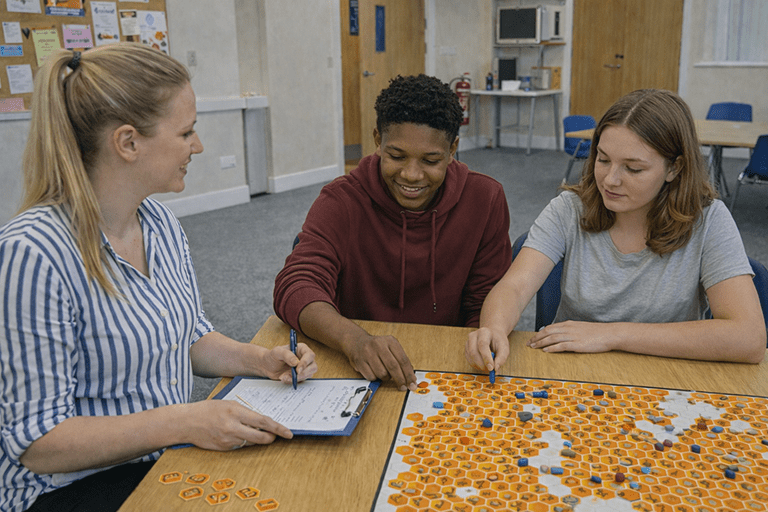
Projects like Bee The Change are reimagining what engagement can look like. By blending play, storytelling, and co-design, the game opens doors for participation that feel authentic, informal, and fun.
In workshops with younger residents, topics like repairs, safety, or community are explored through scenarios that spark real debate — without the pressure of “getting it right.” Each participant earns Impact Tokens for contributing ideas, and every voice around the table carries equal weight.
It’s a model that builds confidence as well as insight. When young people see their words turn into actions — a changed process, a new policy, a better communication — trust begins to grow.
From Consultation to Collaboration
Listening to younger residents isn’t just about inclusion; it’s about innovation. Their ideas around sustainability, digital communication, and modern living can reshape housing for everyone. But for that to happen, organisations must make space — not just for their opinions, but for their influence.
That means using platforms they already inhabit, designing engagement that respects their time, and showing them the visible results of their contribution.
Housing is about more than buildings — it’s about the futures we’re building with people.
So as we plan tomorrow’s homes and communities, perhaps the question we should ask is this:
Are we designing housing for the next generation — or with them?