
Every housing provider has them — the residents who never respond to surveys, rarely attend meetings, and quietly endure issues without complaint. They are the “silent residents.” Not disengaged, not indifferent, but often unheard. And in a sector built on listening, their silence speaks volumes.
Understanding who these residents are — and why they don’t engage — is one of the most important steps towards fair, inclusive service design. Silence doesn’t always mean satisfaction.
More often, it signals barriers, fear, or fatigue.
Who Are the Silent Residents?
Silent residents come from every demographic, but they share one thing in common: barriers to participation. These may be practical — lack of internet access, mobility issues, language barriers — or emotional, such as low confidence, anxiety, or past experiences of not being listened to.
Psychographic segmentation helps us see the full picture. The “Reassure”, “Assist”, and “Nurture” groups, for example, often face overlapping challenges: poor health, literacy difficulties, or digital exclusion. Many find phone calls stressful, official letters confusing, and group settings intimidating.
For some, silence is a form of self-protection — a shield against systems that once dismissed or overwhelmed them. Others simply don’t believe their views will make a difference. And when feedback goes unanswered, silence deepens.
Where Are They?
You won’t find silent residents on social media threads or resident panel minutes. They’re in the homes where surveys remain unopened, or where “no reply” becomes the default. But their absence from data doesn’t mean they’re absent from experience.
They’re the single parents juggling night shifts, the older residents wary of technology, or those living with long-term health conditions who prioritise daily survival over engagement. They are, in many ways, the residents most affected by housing decisions — yet least represented in shaping them.
How Do We Give Them Voice?
Giving silent residents voice starts with changing how we listen. Traditional surveys and consultation events reach only the most confident or digitally connected. To truly hear everyone, we must diversify the ways people can contribute.
Face-to-face visits, phone calls at convenient times, pop-up conversations on estates, Easy Read versions of policies, and visual or translated materials all make engagement more accessible. But inclusion is not just logistical — it’s cultural. It requires empathy, patience, and persistence.
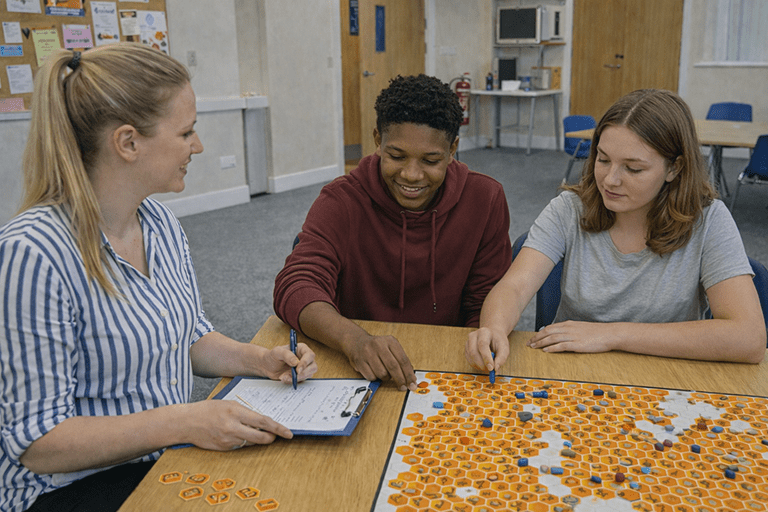
This is where Bee The Change makes a difference. Through its creative, conversation-driven format, it invites every participant to play, reflect and influence — without pressure or hierarchy. Each token, question and scenario is designed to unlock stories that might otherwise remain untold.
Residents who have never spoken up before find confidence through play. Staff gain insight into barriers they hadn’t recognised. And both sides discover that engagement isn’t about speaking louder — it’s about listening deeper.
The Power of Hearing the Quietest Voices
When silent residents are finally heard, the impact is transformative. Services improve, trust grows, and communities strengthen. Their lived experience brings honesty and balance — highlighting what policies overlook and what really matters day-to-day.
But unlocking those voices takes more than invitations; it takes intention. It’s not about getting residents to speak — it’s about creating conditions where they want to.
So perhaps the real question for every organisation is this:
Are we designing engagement for the residents who already speak — or for the ones who are still waiting to be heard?