Every housing organisation wants to listen to its residents — but listening is only the beginning. The real challenge lies in what happens next: turning feedback into meaningful action.
For years, surveys have been the mainstay of tenant engagement. They provide useful data and a snapshot of satisfaction, but they rarely capture the why behind the numbers. A ticked box might show whether someone feels satisfied, but not what they needed to feel heard.
That’s where Bee The Change takes a different path — one that moves beyond surveys to create genuine influence, powered by conversation, collaboration, and co-design.
From Data to Dialogue
Traditional surveys measure opinions. Bee The Change explores experiences.
Instead of asking residents to rate their landlord’s performance on a scale of one to ten, the game invites them to share stories, debate ideas, and co-create solutions. It’s not about collecting answers — it’s about understanding emotions, motivations, and everyday realities.
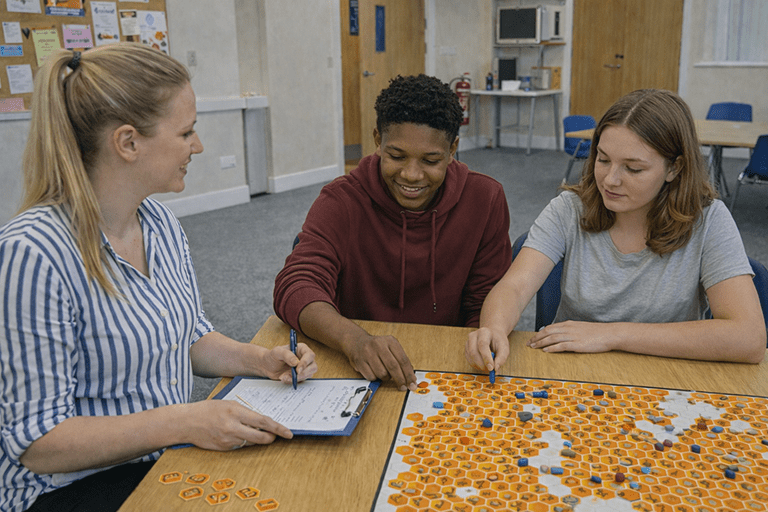
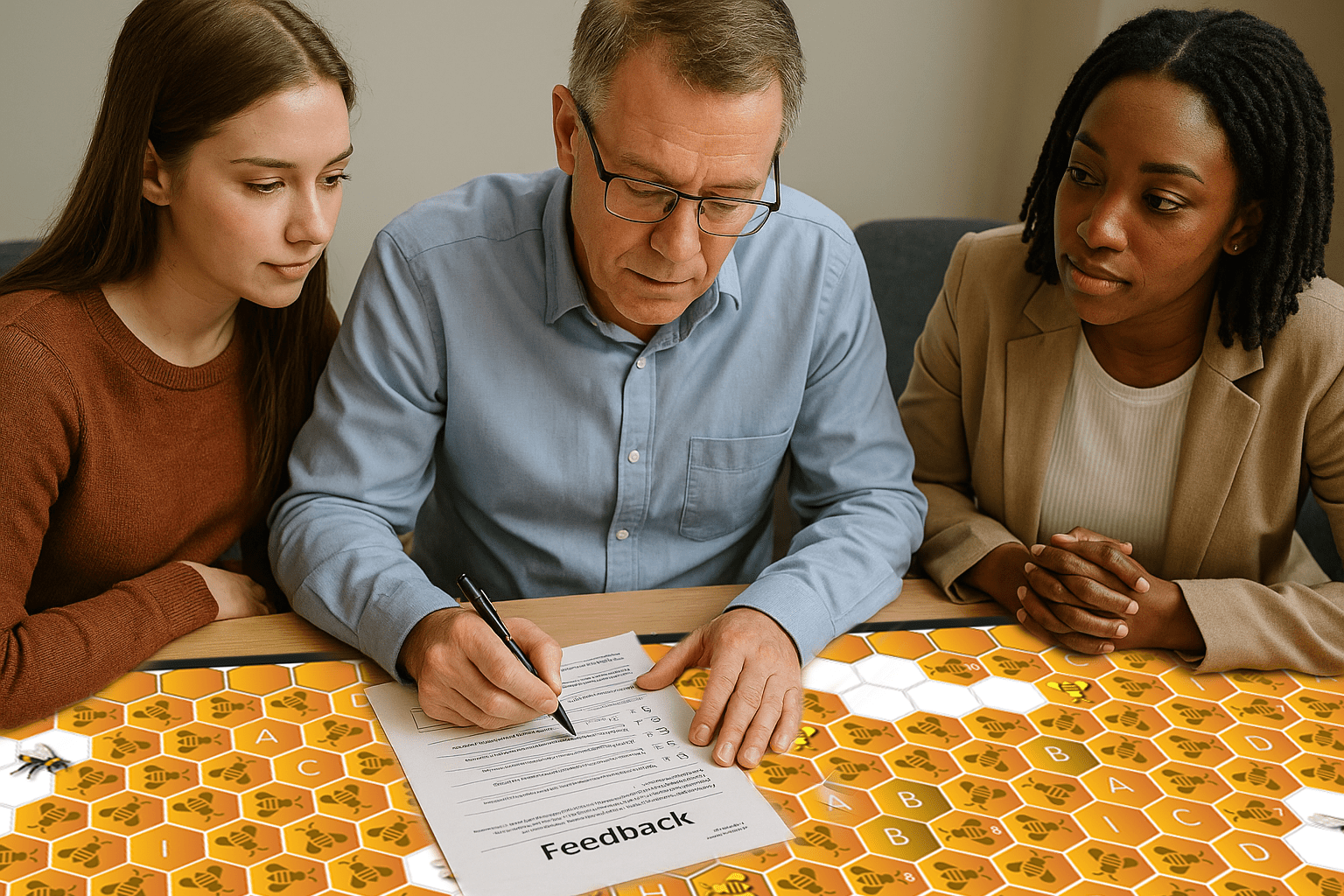
Each Bee The Change session brings together residents and staff around a shared board, using Collaboration Rounds and Pollen Cards to spark discussion. These conversations reveal the nuance hidden behind statistics — the frustrations, barriers, and bright spots that numbers can never show.
And because every insight is captured through Impact Tokens, the process doesn’t stop at discussion. It turns words into evidence — evidence that can shape policies, service standards, and culture.
Reaching Those Surveys Miss
Surveys are most often completed by the confident few — the people who already feel their voice matters. But what about the residents who never respond? Those living with low confidence, limited literacy, or digital exclusion?
Bee The Change reaches them by design. The game replaces text-heavy forms with conversation and play. It breaks down barriers of formality, creating a space where everyone — regardless of background or ability — can contribute equally.
In doing so, it opens a door to those silent voices, the ones whose experiences are most often left out of performance data. Their stories become visible, their influence measurable, and their perspectives invaluable.
From Feedback to Influence
Collecting feedback is easy. Acting on it is harder. Demonstrating influence — showing residents how their voices shaped decisions — is where Bee The Change excels.
Every idea raised in a session can be linked to an outcome: a policy amendment, a communication redesign, a service improvement. Residents see their input moving through a clear chain of action — from boardroom discussion to operational delivery.
This visibility builds trust. It shows that engagement isn’t just an event, but a process — one that drives real-world impact and accountability.
Changing Culture, Not Just Process
Bee The Change is more than a tool; it’s a mindset. It reminds organisations that consultation should be as much about relationships as results. When people feel safe, respected, and valued, they share more honestly — and honesty is what drives improvement.
By blending empathy with evidence, Bee The Change turns engagement into empowerment. It shifts the focus from performance measurement to shared learning, from reactive surveys to proactive partnership.
So as we think about the future of resident voice, perhaps the question isn’t “How can we collect more feedback?”
It’s “Are we ready to let residents truly influence what happens next?”