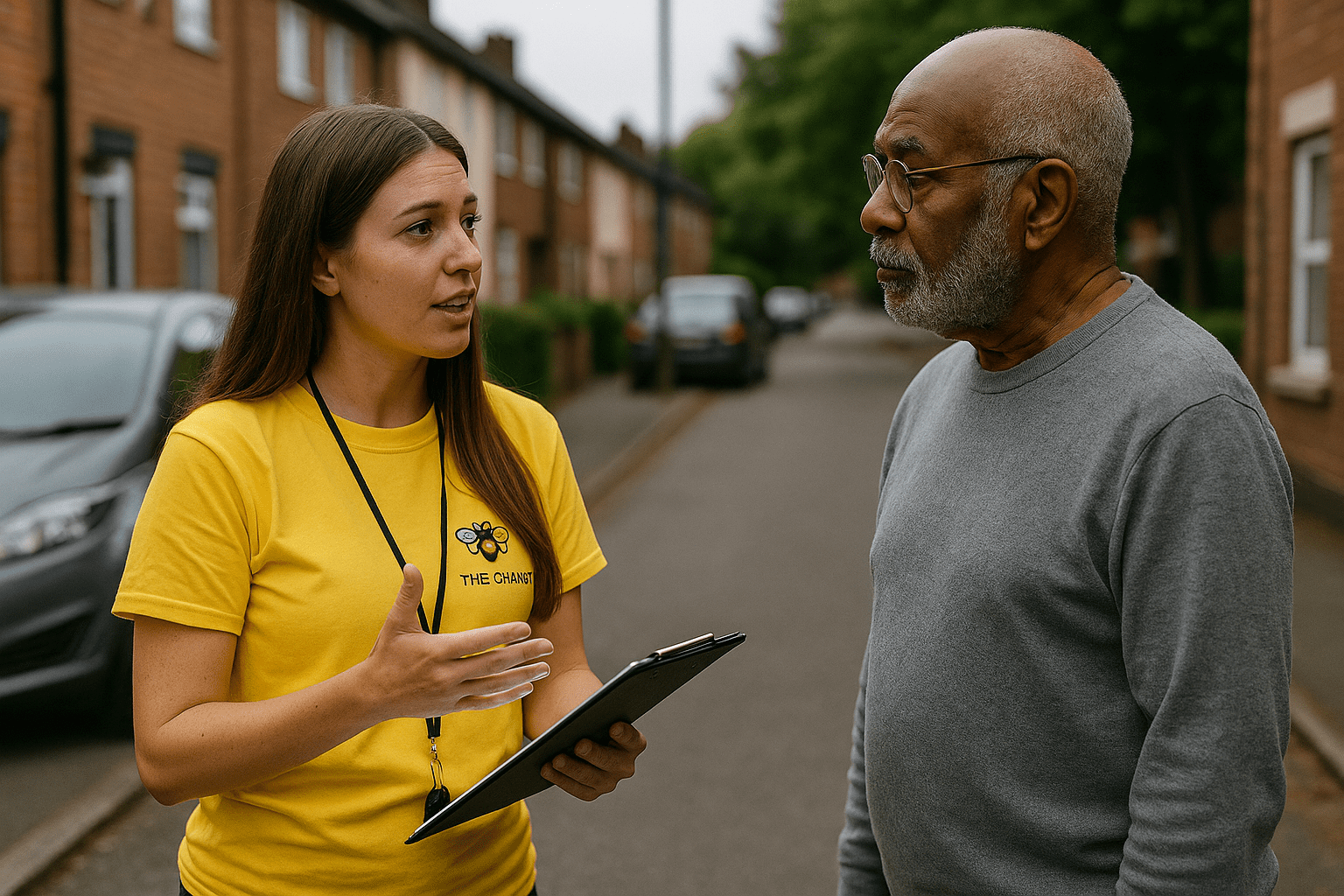
Every organisation talks about “engaging the hardest-to-reach” — but few stop to ask why people are hard to reach in the first place. In housing, we often define these groups by what they don’t do: they don’t attend meetings, don’t complete surveys, don’t respond to letters or texts. But behind every silence is a story — and behind every story, an opportunity to listen differently.
At the heart of Bee The Change lies a simple belief: everyone has something to say; we just have to find the right way to hear it.
Why People Stay Silent
Silence doesn’t always mean disinterest. For many residents, it’s rooted in experience. Some have been ignored too many times to believe their voice will make a difference. Others are balancing work, caring responsibilities, or health challenges that make engagement feel like a luxury, not a priority.
There are also practical barriers — digital exclusion, literacy challenges, language differences, or anxiety around formal settings. When people don’t see themselves reflected in how we communicate, they quietly step back.
The tragedy is that these are often the very residents who could offer the richest insights. Those living with complex needs, managing tight budgets, or coping with poor housing conditions understand the impact of policies in real life. Their silence isn’t apathy — it’s exhaustion.
Changing the Conversation
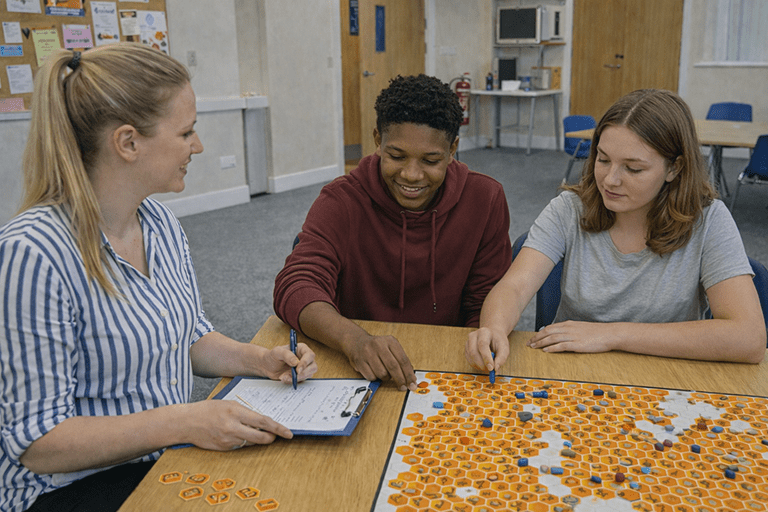
Bee The Change offers a new way to listen. By turning consultation into conversation — and conversation into play — it creates safe spaces where everyone feels equal. Around the board, residents and staff share ideas, challenges and actions without hierarchy or jargon.
Each Collaboration Round focuses on a real-world theme — from fire safety and repairs to communication and community. Pollen Cards prompt open discussion, while Impact Tokens reward every contribution. No one dominates, no one disappears.
Through this approach, voices long unheard begin to surface. A resident who never attends meetings might share a story. A staff member might finally understand the frustration behind a complaint. Insight becomes a shared discovery, not a defensive exercise.
The Power of Play
Gamifying engagement breaks down barriers that formal consultation often reinforces. There are no long surveys or intimidating panels — just shared problem-solving in a relaxed, creative environment.
Residents tell us Bee The Change “feels different” — that it’s inclusive, respectful, and fun. Staff describe it as “the most honest feedback we’ve ever had.” What makes it powerful isn’t just the game itself, but the shift in mindset it creates: from doing engagement to residents, to creating change with them.
From Hard-to-Reach to Eager-to-Contribute
When people feel seen, they show up. When they see their feedback acted upon, they stay involved. The hardest-to-reach become the easiest to engage — because trust replaces scepticism.
Bee The Change isn’t just about gathering opinions; it’s about rebuilding relationships. It helps residents rediscover their voice — and reminds organisations that listening is an active choice, not a checkbox exercise.
So as we move forward in housing engagement, perhaps the real question isn’t:
“How do we reach the silent residents?”
but rather:
“What will we change in ourselves to make them want to speak?”