
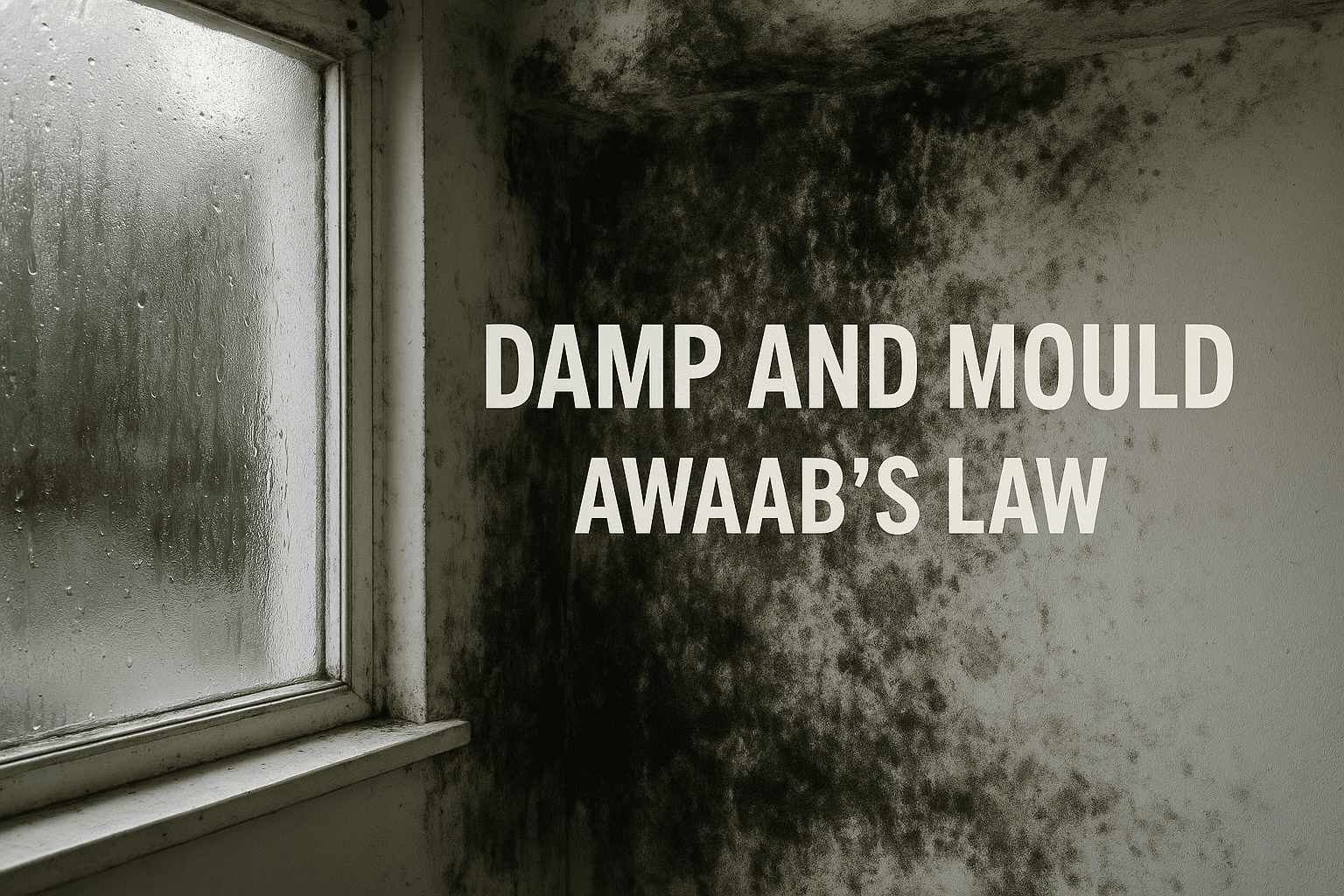
For too long, damp and mould have been dismissed as minor inconveniences — something a quick wipe or a fresh coat of paint could fix. But for thousands of residents, the reality is far more serious. Damp and mould aren’t just property defects; they are health hazards that can devastate families and destroy trust in housing services.
The tragic death of two-year-old Awaab Ishak in 2020 exposed the human cost of inaction and misunderstanding. His case sparked a wave of change that led to Awaab’s Law, a landmark piece of housing reform designed to hold landlords accountable for keeping homes safe and dry.
What Awaab’s Law Really Means
Awaab’s Law is not just about fixing damp more quickly — it’s about transforming attitudes. The new law will require social landlords to investigate and repair reported damp and mould within strict legal timescales. It also demands that communication with residents is clear, consistent, and respectful.
No longer can damp be brushed off as a “lifestyle issue”. Awaab’s Law makes it clear that the responsibility lies with landlords to ensure that homes are fit for living, and that residents are treated with dignity throughout the process.
Beyond the Myths
One of the most damaging misconceptions is that damp and mould are always caused by residents — by drying clothes indoors, not ventilating rooms, or failing to heat their homes. While lifestyle factors can contribute, this narrative has too often been used to deflect responsibility.
In truth, structural issues, poor ventilation systems, and maintenance delays are at the root of many cases. Condensation, leaks, and inadequate insulation combine to create the perfect breeding ground for mould spores.
Another myth is that a quick bleach clean resolves the issue. In reality, surface treatment only
hides a much deeper problem. True remediation means identifying and resolving the underlying cause, not just covering up the symptoms.
Communication Matters
Awaab’s Law is as much about communication as compliance. Residents have the right to know what’s happening in their homes — what was found, what’s being done, and when they can expect resolution.
Plain English updates, translated information where needed, and aftercare visits are all part of the new approach. For landlords, this means more than ticking boxes; it’s about rebuilding trust through openness, empathy, and action.
The Role of Engagement
Initiatives like Bee The Change are already helping landlords and residents hold meaningful conversations about housing standards. Through structured dialogue and creative tools like Collaboration Rounds, silent voices are being heard — not as complainers, but as co-designers of safer, healthier homes.
Real engagement means going beyond surveys. It means listening to lived experience, learning from it, and shaping policy and service delivery together.
A Call to Reflect
Awaab’s Law reminds us that housing is not just bricks and mortar — it’s the foundation of wellbeing, dignity, and community trust. As landlords and residents, we share responsibility for shaping safer homes and stronger relationships.
So, as we move into this new era of accountability and empathy, one question remains:
Will we treat Awaab’s Law as a legal obligation — or as a moral commitment to ensure every home is truly safe to breathe in?