For years, housing organisations have wrestled with the same challenge: how to make consultation meaningful. Policies are rewritten, frameworks rebranded, and surveys redesigned — yet the same voices keep responding, while others remain silent.
The truth is simple but uncomfortable: traditional consultation often excludes the very people it most needs to hear from. Formal meetings, lengthy forms, and complex documents can unintentionally filter out those who are less confident, less digitally connected, or simply weary of not being heard.
That’s where gamification changes everything.
A Different Way to Listen
Gamifying consultation isn’t about making serious issues frivolous. It’s about creating a level playing field — literally. By turning engagement into a shared experience of play, conversation, and collaboration, barriers come down.
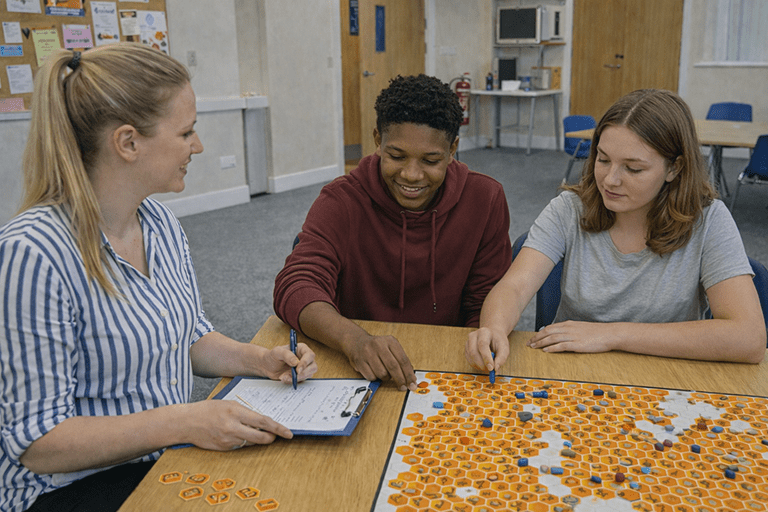
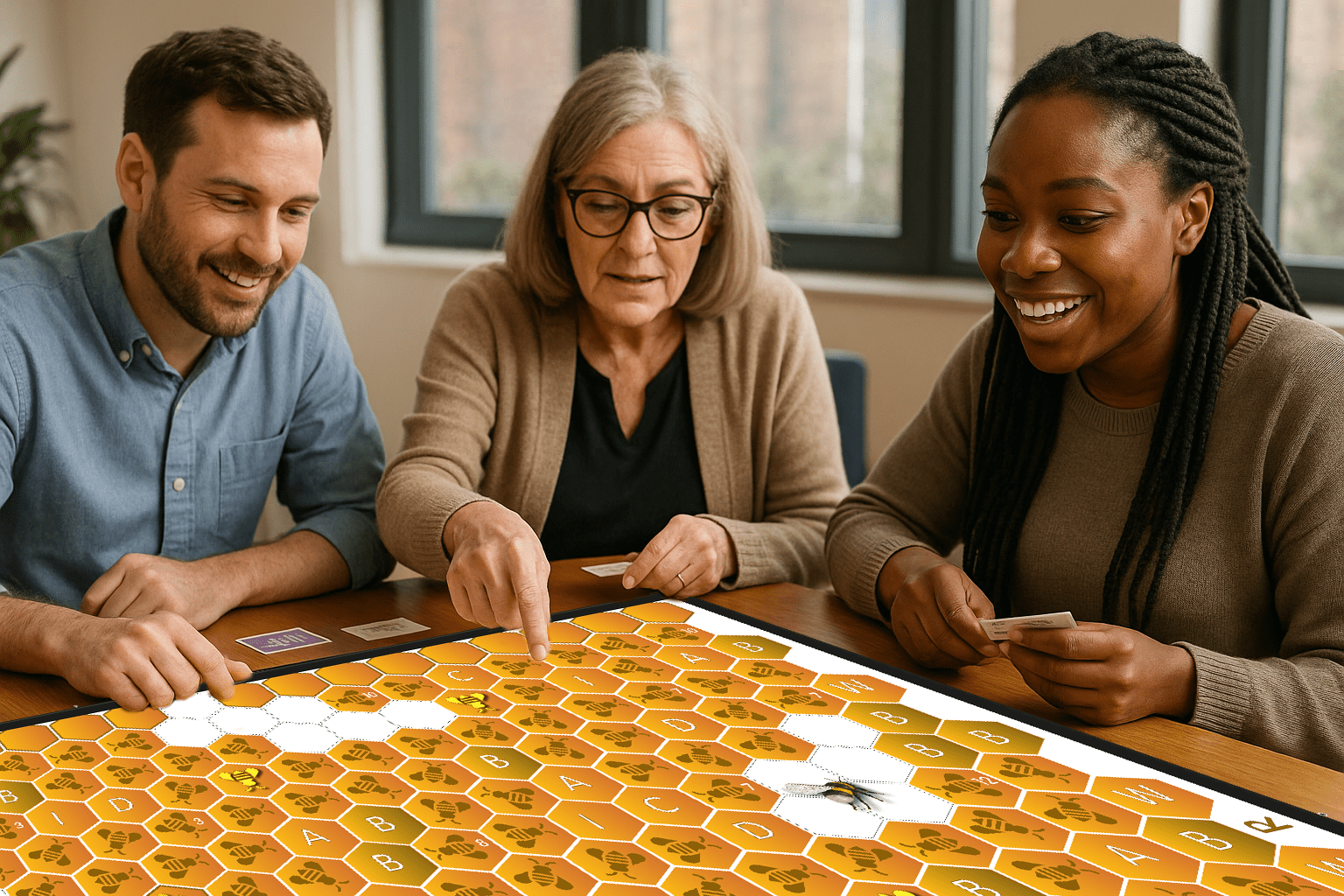
In Bee The Change, the board becomes a meeting room without walls. Residents, staff, and community partners sit together not as decision-makers and consultees, but as equals. The focus shifts from “What do you think of this policy?” to “How does this issue affect your life — and what would make it better?”
Through structured play, participants explore scenarios, prioritise actions, and earn Impact Tokens that represent their influence. Suddenly, consultation stops feeling like a formality and starts feeling like participation.
Reaching the Silent Voices
Silent voices are not disengaged — they’re often excluded by design. Many residents living with poor health, low confidence, or literacy challenges find traditional engagement methods inaccessible or intimidating.
Gamified consultation changes the tone completely. There’s no jargon, no judgement, and no “right answer.” The process is conversational, visual, and paced to suit everyone. People who would never complete a feedback form find themselves sharing experiences naturally — because they feel safe, included, and heard.
In workshops across the country, Bee The Change has uncovered insights that written surveys could never capture: the mother too anxious to call about a repair, the young renter unsure what “tenancy compliance” even means, or the older resident who’s lost trust after being ignored one too many times.
When people play, they relax. And when they relax, they speak truthfully.
From Data to Dialogue
Gamified consultation doesn’t replace policy — it strengthens it. Every idea, story, and token earned during Bee The Change sessions feeds back into real outcomes. Insights are recorded, themes analysed, and evidence aligned with service standards, Tenant Satisfaction Measures, and regulatory requirements.
But beyond compliance, something deeper happens. Staff begin to see patterns that reflect not just “what people think” but why they think it. Residents feel a renewed sense of ownership over change. Trust begins to rebuild — one conversation at a time.
This isn’t engagement for engagement’s sake. It’s cultural change made visible.
From Policy to People
The most powerful outcomes of gamification are not measured in tokens or surveys but in connection. It’s about turning policy from something written about people into something shaped with them.
Because when residents are part of the design, policies stop feeling imposed and start feeling lived.
So perhaps the question isn’t “How do we get residents to engage?”
It’s “Are we willing to play differently to hear what they’ve been trying to tell us all along?”