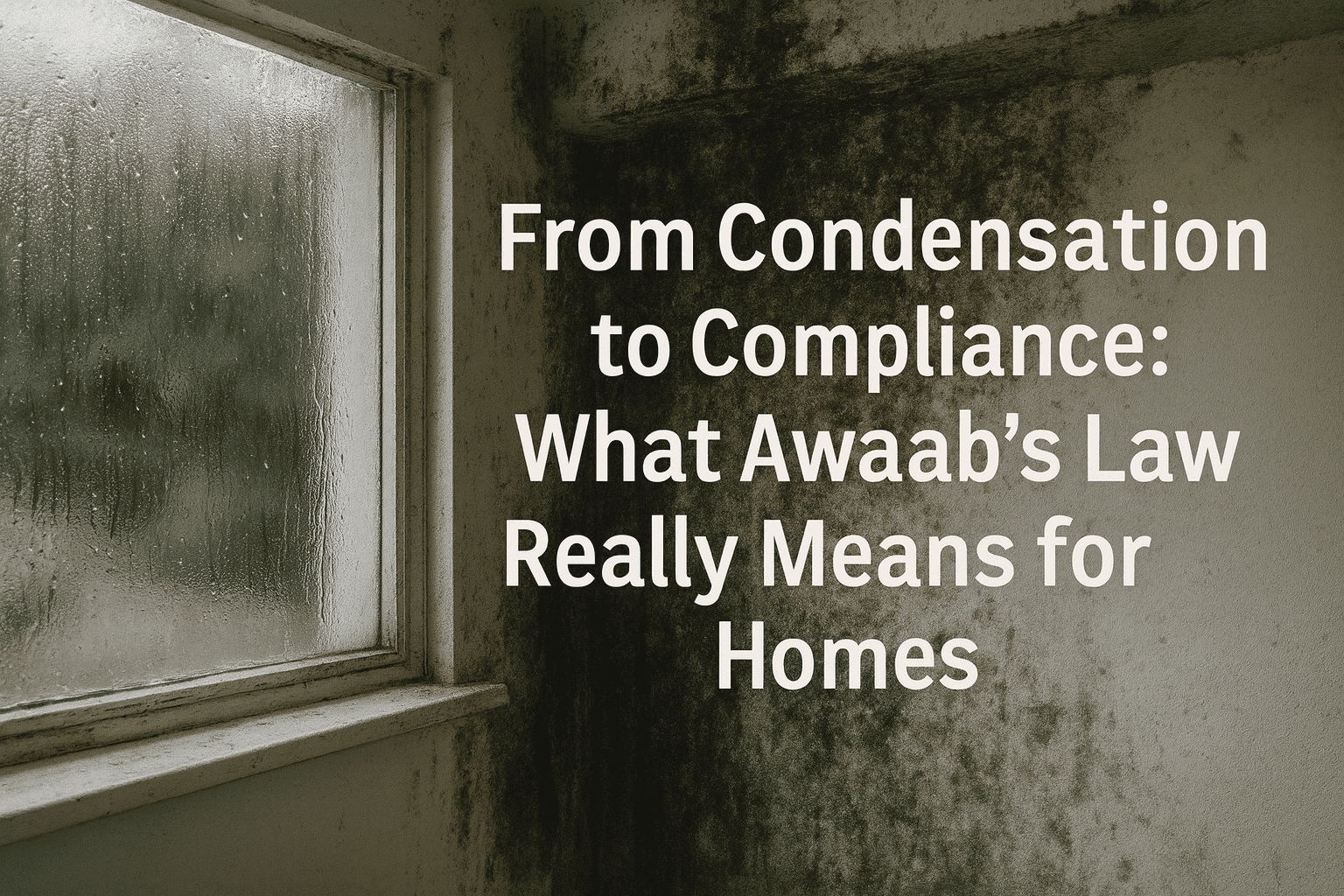
Damp and mould are more than maintenance issues. They seep into walls, ceilings – and confidence. For too many residents, the presence of mould is not just a health hazard but a symbol of being unheard, dismissed, or blamed. It’s the silent killer of trust between landlord and tenant, eroding relationships one unreturned call or delayed repair at a time.
The tragic death of Awaab Ishak reminded the nation that damp and mould can be deadly. It also revealed a truth long known in the housing sector: communication, not just condensation, lies at the heart of the problem.
When Trust Turns Toxic
For years, the phrase “It’s just condensation” has been used to close conversations rather than open them. Residents were told to heat more, clean more, or ventilate more — even when they were already doing their best. These interactions left many feeling blamed, powerless, and afraid to speak up again.
Mould thrives in silence. When residents feel unheard, issues worsen. Missed appointments, confusing updates, or inconsistent advice reinforce the sense that nobody is really listening. The impact isn’t just physical; it’s emotional. Trust once lost is hard to rebuild.
Changing the Conversation
To break this cycle, housing providers must do more than fix walls — they must rebuild confidence. That means creating spaces where residents can share their lived experience without fear of judgement.
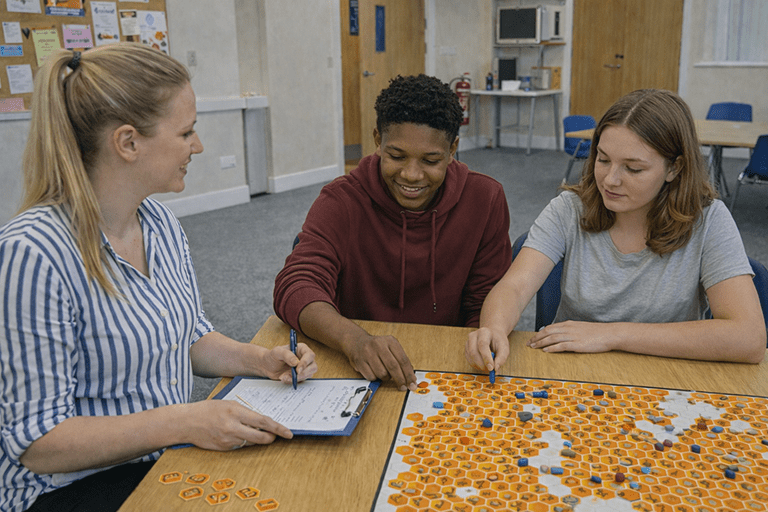
This is where Bee The Change comes in. The game transforms consultation into collaboration. Around the table, residents, staff and partners become equals — each voice represented through ideas, discussion and action cards that encourage reflection and empathy.
When the topic is damp and mould, these conversations can be powerful. Residents explain how it feels to live with recurring problems. Staff reflect on the barriers that delay repairs or cloud accountability. Together, they map real solutions — from communication improvements to clearer escalation routes and aftercare visits that check problems stay resolved.
From Blame to Belief
What makes Bee The Change different is its honesty. It strips away the defensiveness that often surrounds damp and mould conversations. By gamifying engagement, it helps people talk about difficult issues in ways that feel safe, structured, and respectful.
In workshops across housing associations, residents have shared that the format helps them “finally feel heard.” Staff leave with deeper understanding, not frustration. It’s consultation that feels human — not procedural.
Because tackling damp isn’t just about meeting Awaab’s Law deadlines. It’s about proving that lessons have been learned, that compassion has replaced blame, and that prevention is as valued as response.
A Future Built on Dialogue
If trust is the foundation of safe homes, then honest conversation is the mortar that holds it together. Bee The Change reminds us that real progress doesn’t come from policies alone, but from people talking — and listening — differently.
So as landlords, contractors, and residents come together under the new standards, perhaps the question isn’t “How fast can we comply?”
It’s this: How brave are we willing to be in facing the silence that allowed damp to grow in the first place?