Behind every housing policy, every service standard, and every safety checklist lies something far more powerful — a story. The lived experiences of residents hold the key to understanding what works, what doesn’t, and what needs to change. Yet too often, those stories are heard, written down, and left on the shelf.
Bee The Change was created to transform that pattern — to turn stories into strategy, voices into value, and insight into measurable improvement. Because when we listen deeply, we don’t just gather feedback — we gather evidence for safer, fairer homes.
From Conversation to Change
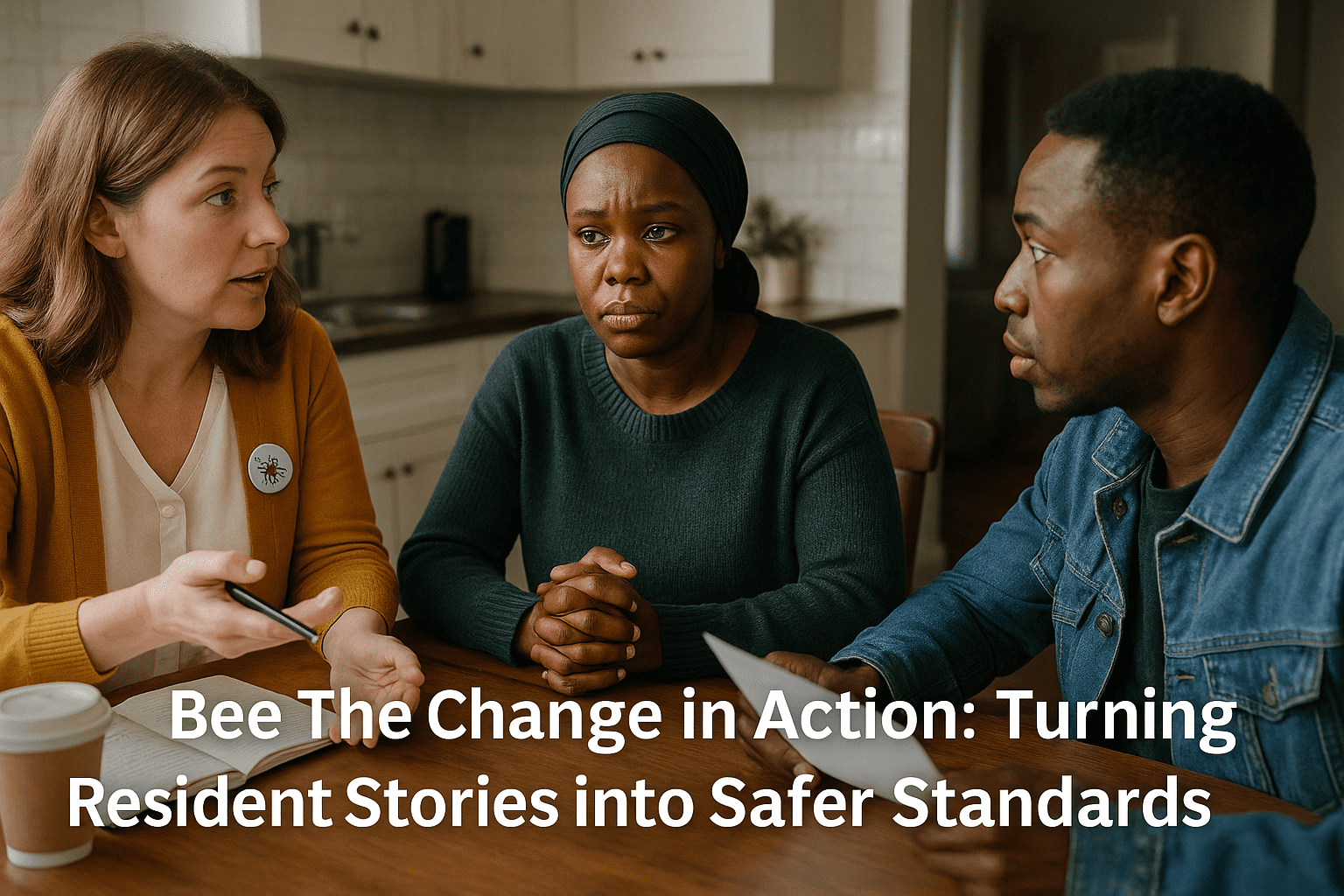
Bee The Change isn’t a consultation exercise; it’s a collaboration engine. Every workshop is designed to bring together residents, staff, and partners to explore real issues — from fire safety to damp and mould, anti-social behaviour, and communication.
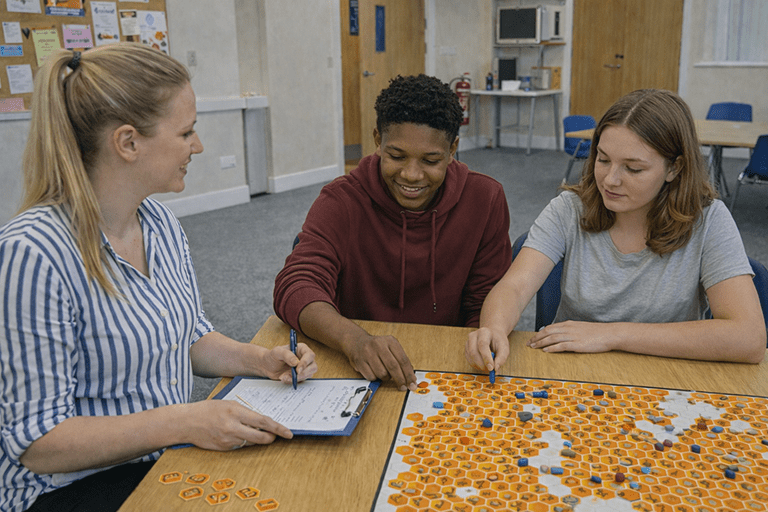
Using the game’s unique blend of Collaboration Rounds and Pollen Cards, participants share lived experiences, debate ideas, and co-design practical solutions. What emerges is far more than discussion — it’s a collective understanding of where services succeed and where they need to improve.
Each conversation is mapped, themed, and scored through Impact Tokens — tangible markers of insight that can be tracked back to policies, service standards and outcomes. It means that for the first time, housing providers can evidence how resident voice has shaped change, not just that it was “considered.â€
Why Stories Matter for Safety
Safety isn’t just about systems — it’s about behaviour, trust, and understanding. Residents are often the first to notice when something isn’t right: a broken fire door, a confusing evacuation notice, or damp that keeps coming back.
But raising concerns can feel risky or futile, especially if past experiences have led to silence. Bee The Change provides a space where these conversations can happen openly and respectfully, with a focus on learning rather than blame.
In these sessions, a repair isn’t just a maintenance task — it’s part of a bigger narrative about accountability, transparency and wellbeing.
When residents share what “feeling safe†means to them, they redefine what good looks like — and that perspective becomes the blueprint for new, stronger standards.
Turning Insight into Evidence
The real power of Bee The Change lies in how it translates insight into action. Every theme raised by residents — whether it’s about fire safety communication, condensation management, or service responsiveness — feeds into a structured framework that supports compliance with the Building Safety Act, Housing Ombudsman Code, and emerging regulation.
But beyond compliance, it gives housing teams something invaluable: clarity.
It helps them see patterns across estates and demographics, highlighting where systems work and where cultural change is needed. Most importantly, it keeps the human stories visible — ensuring that strategy never drifts too far from the people it’s meant to protect.
The Future Is Co-Created
When residents feel ownership of safety, they become partners, not passengers. Their stories inspire solutions that are grounded in reality, emotionally intelligent, and practical.
Bee The Change proves that safer homes don’t start with policies — they start with people.
So as we continue to gather data, design frameworks, and draft standards, perhaps the question we should keep asking is this:
Are we building systems that protect people — or systems that truly understand them?