When we talk about anti-social behaviour (ASB), the focus is usually on the perpetrators and the immediate victims — the neighbour kept awake by noise, the person intimidated in their own community, or the property damaged by reckless behaviour.
But too often, one group of victims remains invisible: children.
Whether they’re the ones witnessing ASB, living in the households involved, or being drawn into it themselves, the impact on children is deep, long-lasting, and rarely discussed.
The Unseen Impact
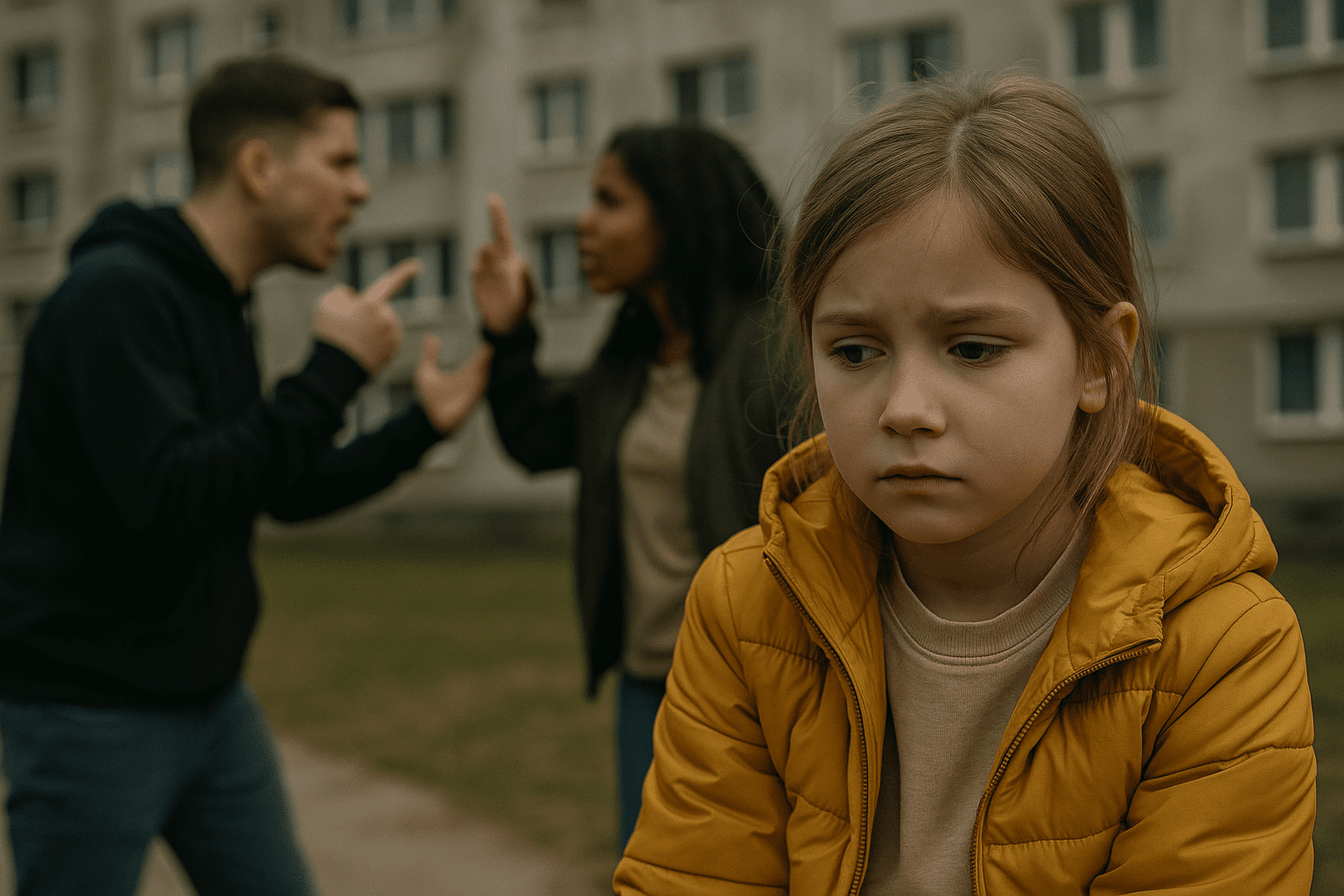
For a child, growing up in a neighbourhood where shouting, police visits, or vandalism are routine can shape how they view the world — and their place in it.
The stress of constant disruption or fear can affect everything from sleep and school performance to emotional regulation and long-term mental health. Many children learn early to “tune out the noise,” but what they’re really doing is learning to normalise instability.
When a home — the one place that should offer safety — becomes unpredictable, children often internalise that chaos. Some become withdrawn and anxious; others mirror the behaviour they see, acting out because it’s the only language of power they recognise.
And while services often focus on resolving cases between adults, the children living through these incidents are left without explanation or support.
When Home Isn’t a Refuge
It’s not just the external ASB that harms children — sometimes, it’s what happens within their own homes.
If a parent or sibling is the subject of enforcement, stigma can quickly follow. Children can face exclusion at school, isolation from peers, or even eviction-related displacement.
For those caught in the middle, the message is confusing: authority figures are either feared or distrusted, neighbours are divided, and the sense of community dissolves.
Housing providers, schools, and community workers all see fragments of this story — but rarely is it joined up.
Breaking the Cycle Through Voice and Connection
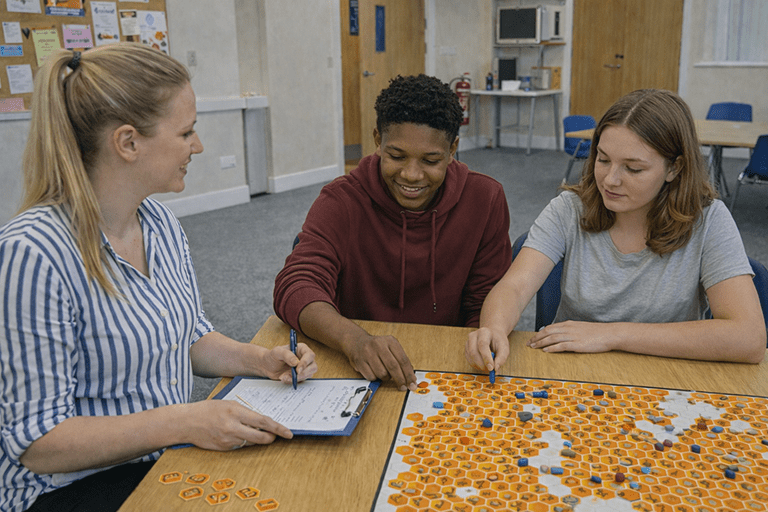
This is where Bee The Change can play an important role. By creating spaces for honest, trauma-informed conversation, it helps residents and housing professionals explore not just the what of ASB, but the why.
Through the game’s “Neighbours, Not Enemies” and “Trust in the System” collaboration rounds, communities can unpack how ASB affects families and children — helping to rebuild empathy, reframe behaviour, and co-design solutions that prioritise prevention over punishment.
Children and young people can also be engaged directly, using creative workshops, storytelling, and play to express what safety means to them. Their perspectives remind us that policy is personal — and that every enforcement decision has human ripples.
A Shared Responsibility
Ending the silence around children and ASB requires courage and compassion. It means recognising that behavioural issues often mask unmet needs — poverty, trauma, or lack of safe spaces. It means joining the dots between housing, education, health, and youth services to provide consistent, wraparound support.
If we truly believe in safer, stronger communities, we must make space for the smallest voices too.
So perhaps the question is not “How do we manage ASB?”
but rather, “How do we make sure the children living through it aren’t forgotten in the noise?”